If you are going out with your friends make sure that you stay together, this keeps you all safe! Have a plan of how you are going to get home, check public transport times or make sure you have some money spare for a taxi. Let someone know where you plan on going and when you are on your way home.

Alcohol Awareness

How to Help Yourself and Others
1
Have a plan if you're going out drinking.
2
Stay in control to stay safe.
To make sure that you are safe avoid risky situations. To avoid getting spiked always watch your drink or cover it (you can now buy anti-spiking covers!), do not accept a drink off anyone else or try anyone else’s drink. Mixing alcohol and drugs is not safe. Sometimes drinking alcohol can lead to unprotected sex, having a condom with you can protect you against STI’s.
3
Think about what you would do in an emergency.
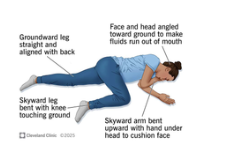
Staying with your friends at all times reduces the chance of an emergency happening, but sometimes drinking too much alcohol can lower inhibitions (lose control). If a friend is unconscious due to alcohol, it is important that you put them in the recovery position. Why not learn this before the next time you go out? Call an ambulance or ask for help from the staff in emergencies. Did you know you can access somebody’s emergency contact on their phone? In an emergency you can do this to let someone know what has happened. If you get lost or separated from your friends have a place that you all know you can go to find each other.
4
Get help if you need it.
If you’re a young person and need help, information advice or support concerning alcohol or issues related to alcohol then help is available.
Who Else Can Help?
There are lots of local and national organisations who can offer support, advice & guidance if you need it.
WHAT ARE THE FACTS ?
1
Understand
About the units in alcohol and how alcohol affects you personally when you’ve been drinking. It takes one hour per unit of alcohol to leave your system once you’ve stopped drinking so work out how long it takes for alcohol to leave your body to reduce other problems for example driving or being a passenger in someone else’s car.
2
Alcohol and the law
In the UK, the recommended limit for alcohol consumption is no more than 14 units per week for both men and women, this is 2 units a day. If you’re young, try to delay your experience with alcohol until you’re ready and able to enjoy alcohol safely. The legal age to consume alcohol is 18 years old.
3
Side effects of alcohol
Short term:
- Impaired coordination
- Slurred speech
- Altered judgement
- Dehydration
- Hangover
Long term:
- Liver disease
- High blood pressure
- Memory loss
- Cancer
- Addiction
4
Addiction
Alcohol is addictive with hospital cases of young people requiring medical treatment for serious disease and organ failure due to the consequences of risky drinking.
ALCOHOL MYTHS
There are so many myths and rumours about the effect consuming alcohol can have on you, we're here to debunk these myths and get to the truth!
Check out some of the most common Myths that we hear from young people - and what the actual TRUTH is...
MYTHBUSTERS
Eating food before drinking alcohol means you're more likely to be sick although vomiting can help to sober you up!
Actually eating before and/or during drinking means that the effects of alcohol are slowed down. Vomiting to try and sober up is false and could even be dangerous. Only time can help you recover. It takes one hour per unit for alcohol to leave your body.
Alcohol keeps you warm!
Alcohol actually lowers your body temperature! Although alcohol might make you feel warm, it actually makes your body lose heat faster. Widening your blood vessels, sending warm blood to your skin and away from your vital organs, which increases your risk of hypothermia.
Alcohol isn't that harmful!
Alcohol is responsible for more deaths than all illegal drug related deaths each year and is associated with many health related long term problems and medical conditions. The immediate risks concerned with alcohol range from sexual health issues, violence and serious accidents. Mixing alcohol with other drugs increases risks and is often unpredictable.
You have more fun when you drink!
You are far more likely to partake in risky behaviours because your inhibitions are reduced this could include: unprotected sex leading to higher risk of sexually transmitted infections (STI), saying things your don't mean to people you care about, and giving in to peer pressure.
Alcohol improves confidence and mood!
Alcohol may make you feel more confident or forget your worries when you are drinking. However, alcohol is a known depressant which can lead to increased feelings of low mood after drinking.